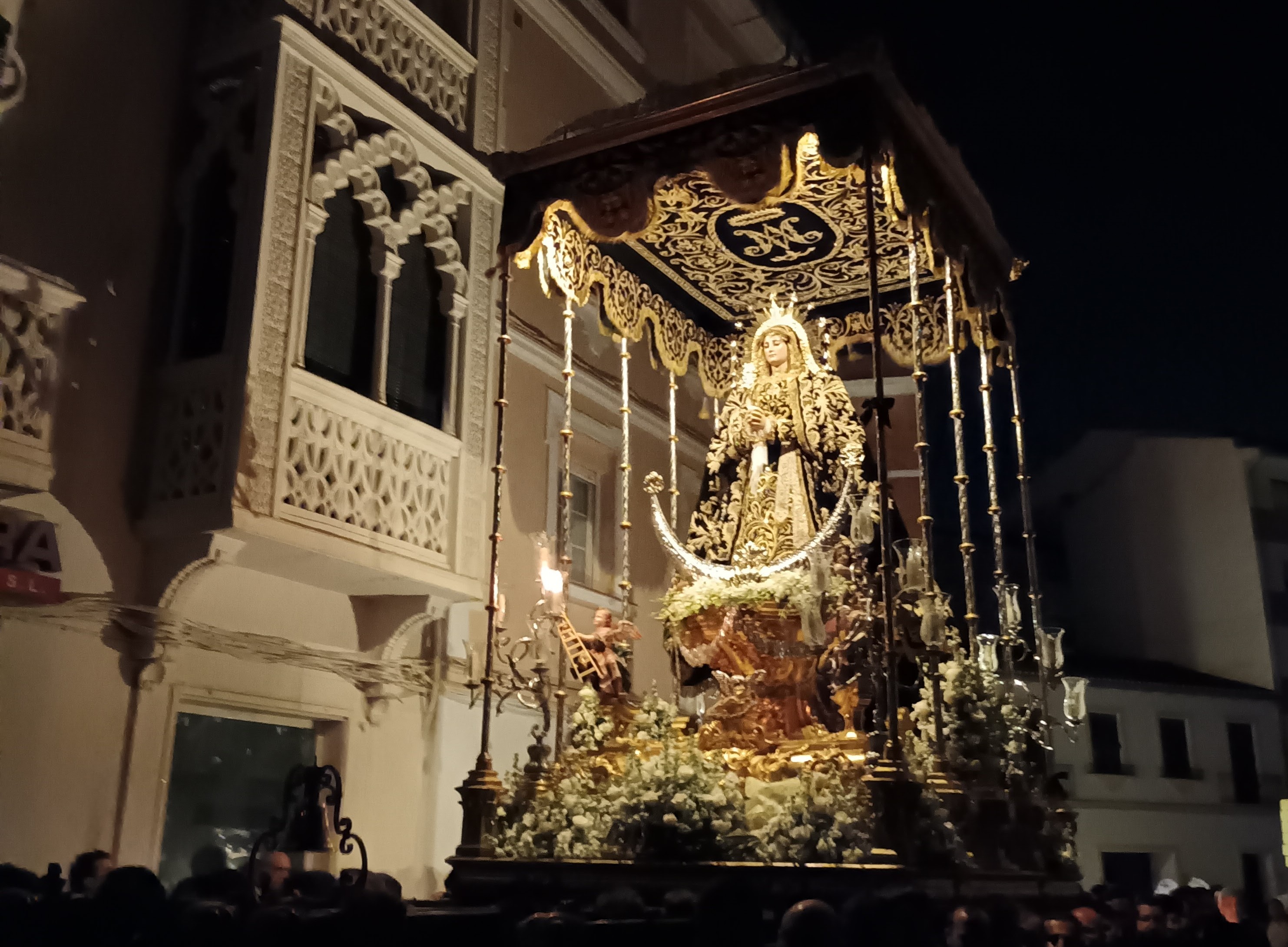
Holy Week in Andalusia: 5 Places Beyond the Usual (english version below for international readers)
Si quieres descubrir la Semana Grande desde otra perspectiva, incluye en tu destino Priego de Córdoba, Lucena o Úbeda.
Si hay una época especial para viajar por Andalucía, es la Semana Santa.
Muchas ciudades son conocidas por sus procesiones y atraen a miles de visitantes cada año. Pero más allá de esos destinos más populares, hay otros lugares donde la tradición se vive de una forma distinta, más cercana y, en muchos casos, más sorprendente.
Si te apetece descubrir una Semana Santa menos masificada y con matices propios, estos cinco lugares son una muy buena forma de acercarse a ella desde otra perspectiva.
📍 Priego de Córdoba
Priego es uno de esos sitios donde todo parece cuidado al detalle.
Su Semana Santa destaca por la elegancia y por un ritmo más contenido, donde el silencio tiene un papel importante. Las procesiones avanzan con una estética muy medida, casi coreografiada, en la que cada elemento parece estar en su sitio.
Más que grandes multitudes, aquí se percibe una cierta calma que permite observar lo que ocurre con más atención. Es una opción muy interesante si buscas una experiencia más íntima.
El Jueves Santo es uno de los días más intensos, con procesiones como las de Nuestro Padre Jesús Nazareno o el Cristo de la Expiración, que reflejan muy bien el carácter de su Semana Santa.
📍 Antequera
La Semana Santa de Antequera es difícil de comparar con la de cualquier otro lugar.
Aquí los tronos no avanzan lentamente. Se mueven con fuerza, con una intensidad que sorprende incluso a quien ya ha visto muchas procesiones. Uno de los momentos más impactantes es la llamada “correr la vega”, cuando los portadores aceleran el paso de forma muy poco habitual.
Es una tradición muy ligada a la identidad de la ciudad, que se vive con una mezcla de esfuerzo físico y emoción colectiva difícil de explicar si no se ve en directo.
👉 El Jueves Santo es especialmente representativo.

📍 Lucena
En Lucena, la forma de llevar los pasos cambia por completo y eso transforma toda la experiencia.
Aquí entran en escena los llamados “santeros”, que cargan las imágenes de una manera distinta, marcando un ritmo propio y generando una estética muy característica. No es solo una cuestión técnica, sino también una forma diferente de vivir la tradición.
El resultado es una Semana Santa con identidad propia, que se aleja de lo más habitual y sorprende precisamente por eso.
👉 El Viernes Santo es uno de los días más interesantes para verlo.
📍 Carmona
La localidad sevillana ofrece una de esas Semanas Santas que se disfrutan especialmente al caer la noche.
Sus calles estrechas, la iluminación tenue y el silencio crean una atmósfera muy particular, donde todo parece suceder con un ritmo más pausado. Aquí no hace falta buscar grandes momentos: basta con estar y dejar que la escena se construya poco a poco.
Es un lugar perfecto para quienes valoran más el ambiente que la espectacularidad.
👉 El Jueves Santo por la noche es especialmente recomendable.
📍 Úbeda
En Úbeda, la Semana Santa se vive en un entorno que ya de por sí impresiona.
La arquitectura renacentista de la ciudad añade una dimensión distinta a las procesiones, que recorren plazas y calles monumentales creando imágenes muy potentes. Aquí el contexto tiene tanto peso como la propia tradición.
Es una de esas combinaciones que hacen que todo encaje de forma natural.
👉 El Viernes Santo es uno de los momentos más destacados.
[EN] Holy Week in Andalusia: 5 Places Beyond the Usual
If you want to experience Holy Week from a different perspective, consider including places like Priego de Córdoba, Lucena, or Úbeda in your itinerary -all of them located in the south of Spain, in the region of Andalusia-.
If there is a special time to travel around Andalusia, it is Holy Week.
Celebrated not only in Andalusia but across many parts of Spain, Holy Week is a deeply rooted tradition, marked by solemn processions and a strong sense of heritage. In recent years, it has also attracted an increasing number of international visitors drawn by its cultural significance.
And the best part is that you don’t need to be religious -or even Christian- to appreciate it. The atmosphere, the artistry, and the emotion make it a unique experience in its own right.
Many cities are well known for their processions and attract thousands of visitors every year. But beyond these more popular destinations, there are other places where the tradition is experienced in a different way: more intimate and, in many cases, more surprising.
If you feel like discovering a less crowded Holy Week, with its own unique nuances, these five destinations offer a great way to experience it from another perspective.
📍 Priego de Córdoba
Priego is one of those places where everything feels carefully crafted.
Its Holy Week stands out for its elegance and a more restrained pace, where silence plays an important role. The processions move forward with a very refined aesthetic, almost choreographed, where every element seems perfectly in place.
Rather than large crowds, there is a sense of calm that allows you to observe everything more closely. It’s a very interesting option if you’re looking for a more intimate experience.
Holy Thursday is one of the most intense days, with processions such as Nuestro Padre Jesús Nazareno or Cristo de la Expiración, which truly reflect the character of its Holy Week.
📍 Antequera
Holy Week in Antequera is hard to compare with anywhere else.
Here, the floats do not move slowly. They are carried with strength and intensity, in a way that surprises even those who have seen many processions before. One of the most striking moments is known as “correr la vega”, when the bearers suddenly accelerate their pace in a very unusual way.
It is a tradition deeply tied to the city’s identity, experienced through a combination of physical effort and collective emotion that is difficult to explain unless you see it in person.
👉 Holy Thursday is particularly representative.
📍 Lucena
In Lucena, the way the floats are carried is completely different, and this transforms the entire experience.
Here, the so-called “santeros” take center stage, carrying the images in their own distinctive way, setting a unique rhythm and creating a very characteristic visual style. It’s not just a technical difference, but also a different way of experiencing the tradition.
The result is a Holy Week with a strong identity, which stands apart from the more common formats — and that is precisely what makes it so interesting.
👉 Good Friday is one of the best days to experience it.
📍 Carmona
This town in Seville offers a kind of Holy Week that is especially enjoyable at night.
Its narrow streets, soft lighting, and silence create a very particular atmosphere, where everything seems to unfold at a slower pace. Here, there is no need to chase big moments, simply being there and letting the scene gradually come to life is enough.
It is a perfect destination for those who value atmosphere over spectacle.
👉 Holy Thursday night is particularly recommended in Carmona.
📍 Úbeda
In Úbeda, Holy Week takes place in a setting that is already impressive in itself.
The city’s Renaissance architecture adds a different dimension to the processions, which pass through monumental squares and streets, creating very powerful images. Here, the setting carries as much weight as the tradition itself.
It’s one of those combinations where everything fits together naturally.
👉 Good Friday is one of the highlights.
Leave a Reply